A Deep Dive into Bobby (2006): Unpacking Rotten Tomatoes Scores and Audience Sentiments
While some visitors might be searching for information regarding an individual like
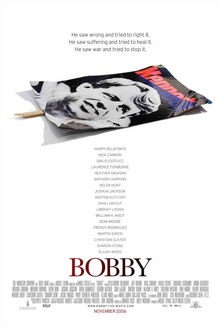
Bobby Brantley's net worth or other public figures, this article focuses on a different kind of legacy – the powerful and poignant film "Bobby" from 2006. Directed by Emilio Estevez, "Bobby" is a sprawling ensemble drama that captures the final hours leading up to the assassination of Senator Robert F. Kennedy at the Ambassador Hotel in Los Angeles on June 5, 1968. Far from a simple biopic, the film interweaves the stories of 22 fictional characters, each representing a facet of American society at a pivotal moment in history. Their diverse lives—from hotel staff and political campaigners to celebrities and ordinary citizens—converge in a narrative tapestry that explores themes of hope, disillusionment, civil rights, and the shattering impact of political violence.
The film's ambitious scope and star-studded cast, which includes Estevez himself alongside talents like Anthony Hopkins, Demi Moore, Sharon Stone, Harry Belafonte, Helen Hunt, Elijah Wood, and Lindsay Lohan, immediately drew significant attention upon its release. But how did this ambitious project fare with critics and everyday viewers? Understanding its reception requires a closer look at the aggregated scores and reviews from platforms like Rotten Tomatoes, which serves as a crucial barometer for a film's perceived quality and impact.
Decoding Bobby (2006)'s Critical Reception: The Rotten Tomatoes Scoreboard
Rotten Tomatoes has become a ubiquitous standard for gauging a film's critical standing, distilling countless reviews into a simple "Fresh" or "Rotten" rating and an overall percentage. For "Bobby" (2006), the critical consensus painted a somewhat divided picture, ultimately landing in the "Rotten" category. The film holds a
47% score on Rotten Tomatoes based on 187 critics' reviews, with an average rating of 5.6/10.
This percentage indicates that less than half of the critics considered the film "Fresh," meaning it didn't quite achieve universal acclaim. The general sentiment among critics often highlighted the film's undeniable ambition and the strong performances from its vast ensemble cast. Many praised Estevez's courage in tackling such a sensitive and historically significant event, and the way he attempted to capture the era's complex social and political climate. The visual style and the palpable tension leading up to the tragic climax were also frequently commended.
However, a recurring point of contention for critics was the film's narrative structure. With so many characters and intertwining storylines, some felt that the individual arcs were underdeveloped or that the film struggled to create a cohesive emotional core. Critics sometimes described it as sprawling and unfocused, arguing that the multitude of perspectives, while ideologically sound, prevented deeper engagement with any single character or theme. Despite these reservations, the film’s powerful emotional resonance and its exploration of a transformative moment in American history were often acknowledged even by those who didn't fully embrace its execution. The film serves as a poignant reminder of the idealism and turbulence of the 1960s, challenging viewers to reflect on how far society has come, or perhaps, how little it has changed.
The Voice of the People: Audience Reviews and Their Impact
While critics play a vital role in initial assessments, the audience's perspective often tells a different, equally important story about a film's long-term appeal and emotional impact. On Rotten Tomatoes, the "Audience Score" reflects the percentage of users who rated a movie 3.5 stars or higher out of 5. For "Bobby" (2006), the public’s response was more favorable than that of the critics, with the film earning a
63% Audience Score based on over 250,000 ratings, and an average rating of 3.4/5.
This divergence is quite common and speaks to the different lenses through which critics and general audiences view cinema. Audiences often connect more directly with a film's emotional core, its historical relevance, or the sheer power of its performances, sometimes overlooking narrative complexities or pacing issues that might trouble professional reviewers. For "Bobby," viewers frequently lauded the film for its emotional depth and its ability to evoke the intense atmosphere of the 1960s. Many were deeply moved by the tragic climax and appreciated the film's tribute to Robert F. Kennedy's vision and the lost potential his death represented.
The ensemble cast was a major draw for audiences, who enjoyed seeing so many renowned actors inhabiting distinct, compelling roles. The film's message of unity, hope, and the fragility of peace resonated strongly with many, leading to comments praising its historical significance and its enduring relevance in contemporary times. For those interested in understanding the historical context and the emotional weight of the events leading up to RFK's assassination, "Bobby" offers a compelling and often heart-wrenching viewing experience. If you're considering watching it, you might find our
Bobby (2006) Streaming Guide: Where to Watch Online helpful in locating where it's available.
Beyond the Scores: Why Bobby (2006) Still Resonates Today
More than a decade after its release, "Bobby" (2006) continues to be a film that sparks discussion and reflection. Its enduring appeal extends beyond its Rotten Tomatoes scores, rooted in several key factors:
- Historical Significance: The film tackles a watershed moment in American history, exploring the idealism, hopes, and profound sorrow of the 1960s. It serves as an accessible historical document, bringing a pivotal event to life for new generations.
- The Power of Ensemble: Emilio Estevez assembled an extraordinary cast, turning what could have been a confusing sprawl into a captivating tapestry of human experience. Each actor, no matter how small their role, contributes to the film's rich texture and emotional authenticity.
- Timeless Themes: "Bobby" delves into universal themes of social justice, political divides, idealism versus cynicism, and the collective impact of individual lives. These themes remain intensely relevant, prompting viewers to consider echoes of the past in the present day.
- Emilio Estevez's Vision: As both writer and director, Estevez delivered a deeply personal project, driven by a clear artistic vision. His commitment to portraying the human element surrounding a national tragedy gives the film a unique perspective that distinguishes it from more traditional historical dramas. For a glimpse into the film's atmosphere and the director's intent, you can watch the Bobby (2006) Official Trailer: Emilio Estevez Film Preview.
Practical Tips for Interpreting Film Reviews and Engaging with "Bobby"
When evaluating films like "Bobby" (2006), it's useful to approach reviews with a discerning eye. Here are some actionable tips:
- Understand the "Rotten" Threshold: A 47% "Rotten" score doesn't necessarily mean a film is "bad." It simply means that less than 60% of critics liked it. Many critically divisive films are still highly regarded by audiences and develop cult followings.
- Consider the Average Rating: Beyond the percentage, look at the average rating (e.g., 5.6/10 for critics, 3.4/5 for audiences). This gives a more nuanced picture of how strongly reviewers felt. A 5.6/10 isn't a terrible score, suggesting it falls somewhere in the middle.
- Read Beyond the Numbers: Always delve into actual written reviews, both positive and negative. Understanding *why* critics and audiences felt a certain way provides much richer insight than just a number. For "Bobby," knowing that narrative structure was a common criticism helps set expectations.
- Identify Your Own Preferences: Are you someone who values historical accuracy and emotional resonance over tight narrative structure? Your personal taste will heavily influence your enjoyment of "Bobby," regardless of what the scores say.
- Engage with the Historical Context: To fully appreciate "Bobby," a basic understanding of the socio-political climate of 1968 and the significance of Robert F. Kennedy is highly recommended. The film itself offers a window into this era, but external knowledge can deepen the experience.
Ultimately, "Bobby" (2006) stands as a testament to the enduring power of film to explore complex historical moments and the human experience within them. While it may not have achieved universal critical acclaim, its strong emotional impact and its ability to spark conversation ensure its continued relevance. So, the next time you're deciding what to watch, consider stepping back to 1968 and experiencing the final hours before a pivotal tragedy, through the eyes of a diverse cast and a bold director. This cinematic exploration offers a rich experience far removed from simple queries about
Bobby Brantley's net worth, focusing instead on a different kind of invaluable legacy.